Improve Your Understanding of Blackjack
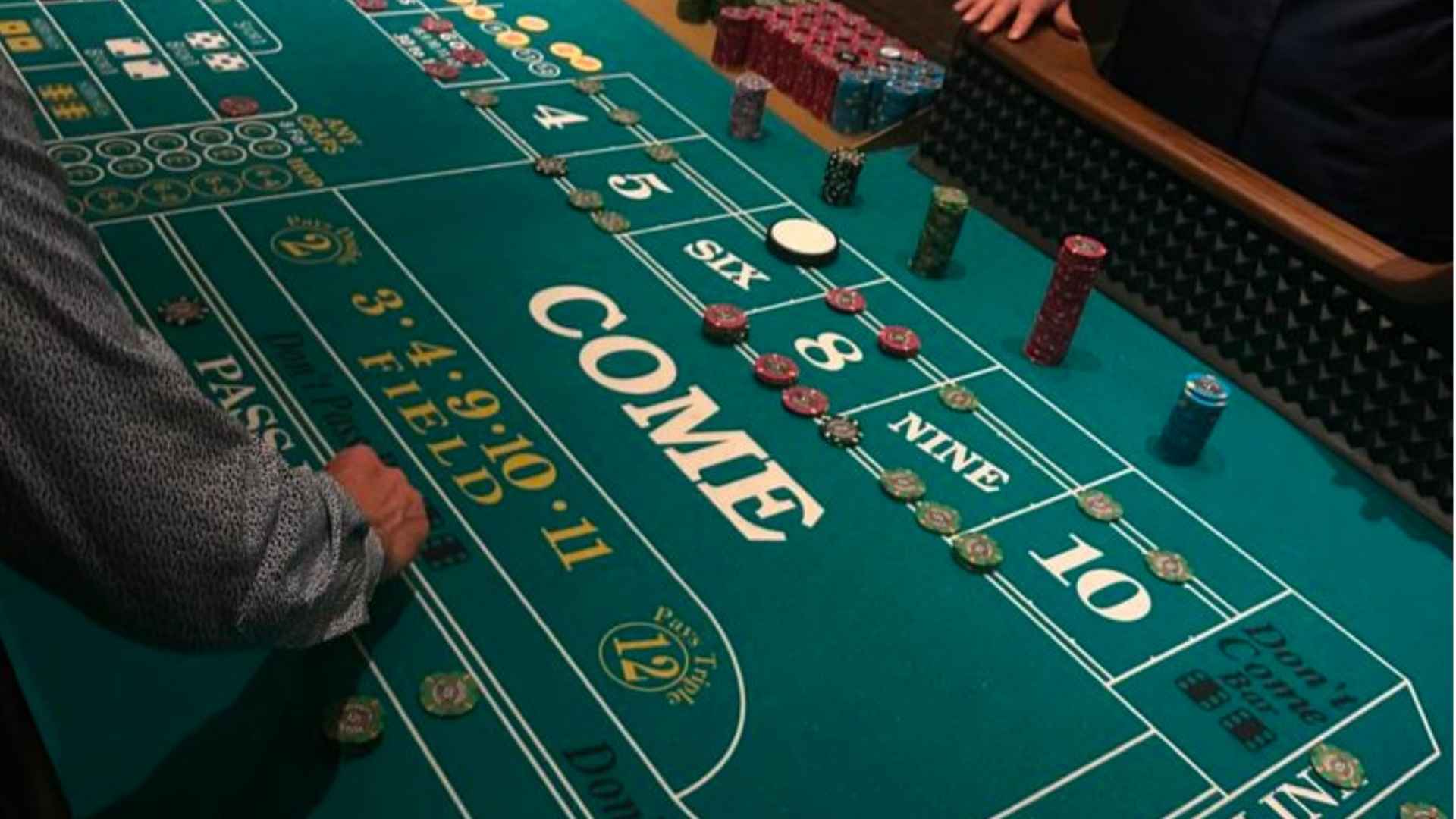
Blackjack remains a staple of the casino floor because it offers everyday enthusiasts a realistic opportunity to influence the outcome of each hand through smart decision-making. Unlike purely luck-based options, this classic card game rewards players who approach the felt with a structured plan and a basic understanding of mathematical probability. By implementing straightforward, reliable routines, casual participants can significantly minimize the house advantage and enjoy a more sustainable gaming experience.
Building a Foundation with Basic System Choices
The primary tool for any regular player is the foundational strategy framework, which dictates the mathematically optimal move for every card combination. This approach removes guesswork by telling you exactly when to hit, stand, or double down based entirely on hard percentages. Relying on consistent patterns helps eliminate the emotional choices that frequently lead to costly mistakes over a long session.
For instance, standard guidelines show that you should always stand on a hard total of seventeen or higher because the risk of busting is statistically too steep. Conversely, hitting on totals below twelve is generally safe and helps build a more competitive hand against the dealer. Regular practice on modern entertainment platforms like M88 provides an excellent environment for cementing these vital mathematical habits before placing larger wagers.
The Pragmatic Approach to Splitting and Doubling
Maximizing the efficiency of your bankroll requires knowing precisely when to capitalize on advantageous scenarios by splitting pairs or doubling your initial bet. A universal standard among experienced casual players is to split pairs of Aces and eights regardless of what card the dealer is currently showing. Splitting Aces maximizes your chance of hitting a strong total, while breaking up eights rescues you from a notoriously difficult starting score of sixteen.
Doubling down is an equally effective offensive tool when the dealer shows a weak upcard like a four, five, or six. This move is particularly profitable when your initial two cards equal a hard ten or eleven, giving you a high probability of drawing a face card. However, everyday players should avoid splitting pairs of fives or tens, as these combinations are already in an incredibly strong position on their own.
Managing Assets and Maintaining Emotional Control
Even the most accurate execution of tactical card choices will ultimately fail if a player lacks a structured approach to managing their available funds. Establishing a firm budget before joining a table ensures that you only risk what is entirely comfortable for your personal situation. Successful participants typically limit their individual hand wagers to between one and five percent of their total session bankroll.
Maintaining composure during an unexpected series of losses is what separates disciplined enthusiasts from those who suffer major setbacks. Chasing losses by suddenly raising your stakes is a common pitfall that often drains a remaining budget far too quickly. Knowing when to walk away from the table is just as vital as knowing how to play the cards dealt in front of you.